
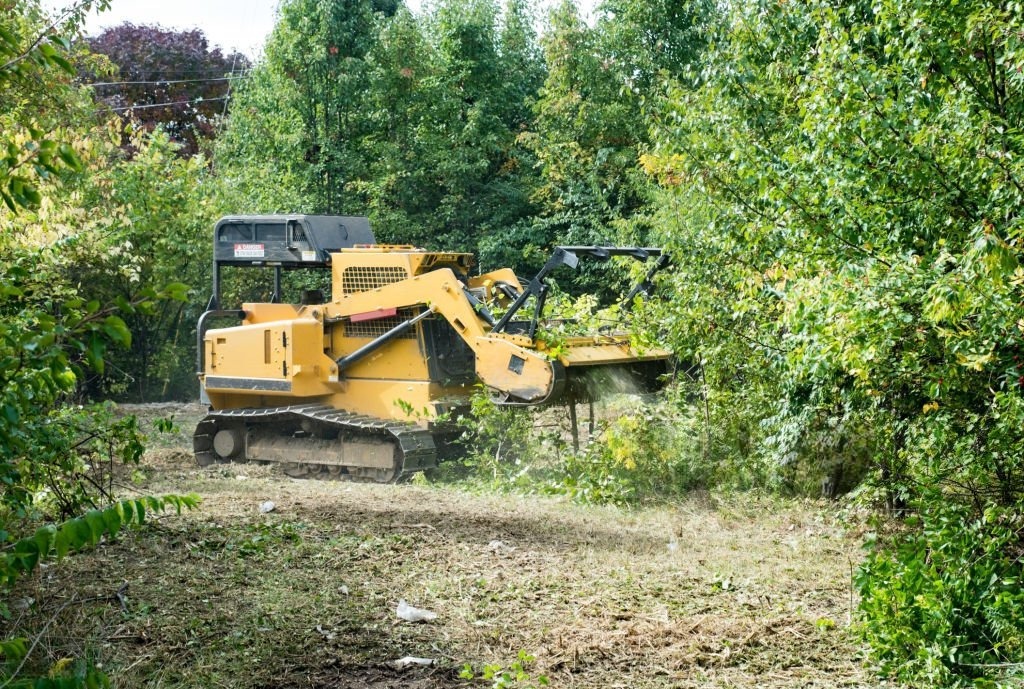
Winter is the best time to clear brush for pasture in East and Central Texas. With grass dormant and cattle on hay, you can clear in December or January, treat stumps in cool weather, fix your soil, and plant or let grass fill in once spring warms up. Clear in summer and you lose a full growing season.
We’ve watched a lot of landowners do it the other way around. They clear in July, hoping to graze by fall, and spend the next year fighting regrowth. If you want the basics on methods and equipment first, our complete guide to brush clearing covers it. This article is about one goal: turning overgrown ground back into grass, starting this winter.
Why Winter Is the Reset Window for Pasture
Question: When is the best time to clear brush for pasture in Texas? Answer: Late fall through winter is the best time, ideally December through February. Grass is dormant, so clearing doesn’t cost you grazing, and the ground is open and ready for spring planting.
Your Cattle Are Already Off the Grass
Most East Texas herds are on hay or winter pasture by December. That makes it the one time of year when a crew can work a trap without moving livestock around mid-season. When spring green-up hits, the cleared ground is ready to grow grass, not brush.
You Can See What You’re Working With
Once hardwoods drop their leaves, the whole pasture opens up. You can see where yaupon has crept in, which fence lines are buried, and which trees are worth saving. Our operators can also spot old wire and T-posts that hide under summer growth.
Texas A&M AgriLife’s forage team in Overton explains when to plant bermudagrass sprigs and seed in East Texas. Sprigs can go in from March, once the danger of a heavy freeze is past. Seeded bermuda waits until about May in northeast Texas. Clear in December or January, and your pasture is ready when planting season opens.
The Brush That Steals Your Grass
Every acre of brush is an acre your cattle can’t graze. Around Streetman, Fairfield, and Palestine, the usual suspects are yaupon, eastern red cedar, sweetgum, honey locust, and greenbriar. Out toward Corsicana and Waxahachie, mesquite and cedar elm move into the old blackland pastures.
Resprouters vs. One-and-Done Brush
Some brush dies when you cut it. Cedar is the classic example, and a clean cut at ground level usually finishes it. Yaupon, sweetgum, and honey locust are different. They send up new shoots from the roots, sometimes a dozen from a single stump.
That’s why we never promise a “one pass and done” pasture on yaupon ground. We plan for follow-up from day one.
Why Winter Helps the Follow-Up
AgriLife recommends pairing mechanical clearing with a cut-stump herbicide on problem species like yaupon. Their report also warns that high heat can cause some herbicides to vaporize and drift into the trees you want to keep.
Cool winter days lower that risk. Treating fresh cuts in January is safer for your shade trees than doing the same job in August. Always follow the product label, or hire a licensed applicator.
Pro Tip: Flag every tree you want to keep before the crew shows up. Bright ribbon at eye level on your shade trees and a quick walk with the operator saves arguments later.
Our Winter Pasture Reclaim Timeline
Here’s the order we walk most pasture clients through. Dates shift with the weather, but the sequence holds.
| When | What Happens | Why It Matters |
| Oct–Nov | Site walk, flag keeper trees, plan the job | Winter slots fill fast once cold fronts start |
| Dec–Feb | Brush clearing and forestry mulching | Grass is dormant and brush is easy to see |
| Right after clearing | Cut-stump treatment on resprouters | Cool days mean less herbicide drift |
| Jan–Feb | Soil test and lime if needed | Lime works slowly, so it needs a head start |
| March onward | Sprig or seed grass, or let native grass return | Planting starts once freeze danger passes |
| Spring–Summer | Keep cattle off new grass, spot-treat regrowth | New grass needs time to root |
Did You Know? The USDA’s EQIP program can help pay for brush management on working ranch land. NRCS Texas lists November 13, 2026 as its next EQIP application deadline, so a fall application lines up well with winter clearing. Talk to your local NRCS office before any work starts, since clearing begun before a contract is signed may not qualify.
Mulch or Clear? Picking the Right Method for Grazing Land
Most pasture jobs don’t need the ground scraped bare. Our forestry mulching service grinds brush into a layer of chips that protects the soil through winter rains. Grass grows back up through it in spring.
When We Grub Instead
Mulching leaves roots and stumps in the ground. That’s fine for grazing, but not for hay meadows where you’ll run a mower and baler. Stumps and root balls will tear up equipment. For hay ground, we pull roots and smooth the surface with our brush clearing service and dozer work.
What We Watch for With Mulch Depth
Here’s something we learned on the job. A thin layer of mulch helps grass. A thick mat of it, like you get under a big cedar, can smother the grass underneath for a season or longer. On dense patches, our operator spreads the chips out rather than leaving them in piles.
Pro Tip: If you want a hay meadow, say so on the first site visit. The method, the price, and the timeline all change once a baler is part of the plan.
Don’t Forget Water, Shade, and Cost-Share
Clearing brush is only half of a working pasture. Cattle need water and shade too.
Leave the Right Shade Trees
We rarely clear a pasture to bare ground. A few big post oaks or pecans give cattle shade in August, and they’re worth far more than the space they take. Thin, crowded trees usually go. Healthy, well-spaced ones usually stay.
Plan Your Stock Tank While the Equipment Is Out
If your cleared pasture has no water, winter is a smart time to add or clean out a stock tank. Water levels are often lower, and the equipment is already on site. Our pond maintenance and stock tank team can often handle it in the same visit.
Did You Know? The USDA’s EQIP program can help pay for brush management and other conservation work. The NRCS says it accepts EQIP applications all year, but each state sets its own funding deadlines. Talk to your local NRCS office before any clearing starts, since work begun too early may not qualify.
Start Your Winter Pasture Plan Now
Winter clearing gives your pasture a head start that summer clearing can’t match. Grass is dormant, brush is easy to spot, and your ground is ready to grow grass when spring arrives. For more on methods and equipment, see our brush clearing guide.
Contact 3T Brush Control or call (903) 390-0763 to book a free winter pasture walk. We’ll flag your keeper trees, map the brush, and give you a clear quote before our winter schedule fills.
Frequently Asked Questions
How long does it take for pasture to recover after brush clearing? Most cleared pasture starts greening up the first spring after winter clearing. Full grass cover usually takes one to two growing seasons, depending on rain, soil, and whether you plant improved grass or let native grass return.
Should I burn or mulch brush on pasture land? Mulching is usually the better choice for pasture. It skips burn piles and burn permits, protects the soil through winter rains, and lets grass grow back through the thin mulch layer in spring.
Will brush grow back after clearing a pasture? Some will. Resprouting species like yaupon and sweetgum come back from the roots, so plan on cut-stump treatment and spot-spraying the first year. Cedar usually doesn’t return from a clean cut.
Can cattle graze right after brush clearing? Cattle can graze mulched ground once grass grows back, but newly planted grass needs time to root first. Keep livestock off sprigged or seeded areas until the grass is well established, usually through the first summer.